Paper Cup Showdown: Comparing Disposable Options for Event Planners and Caterers
Paper Cup Showdown: Comparing Disposable Options for Event Planners and Caterers
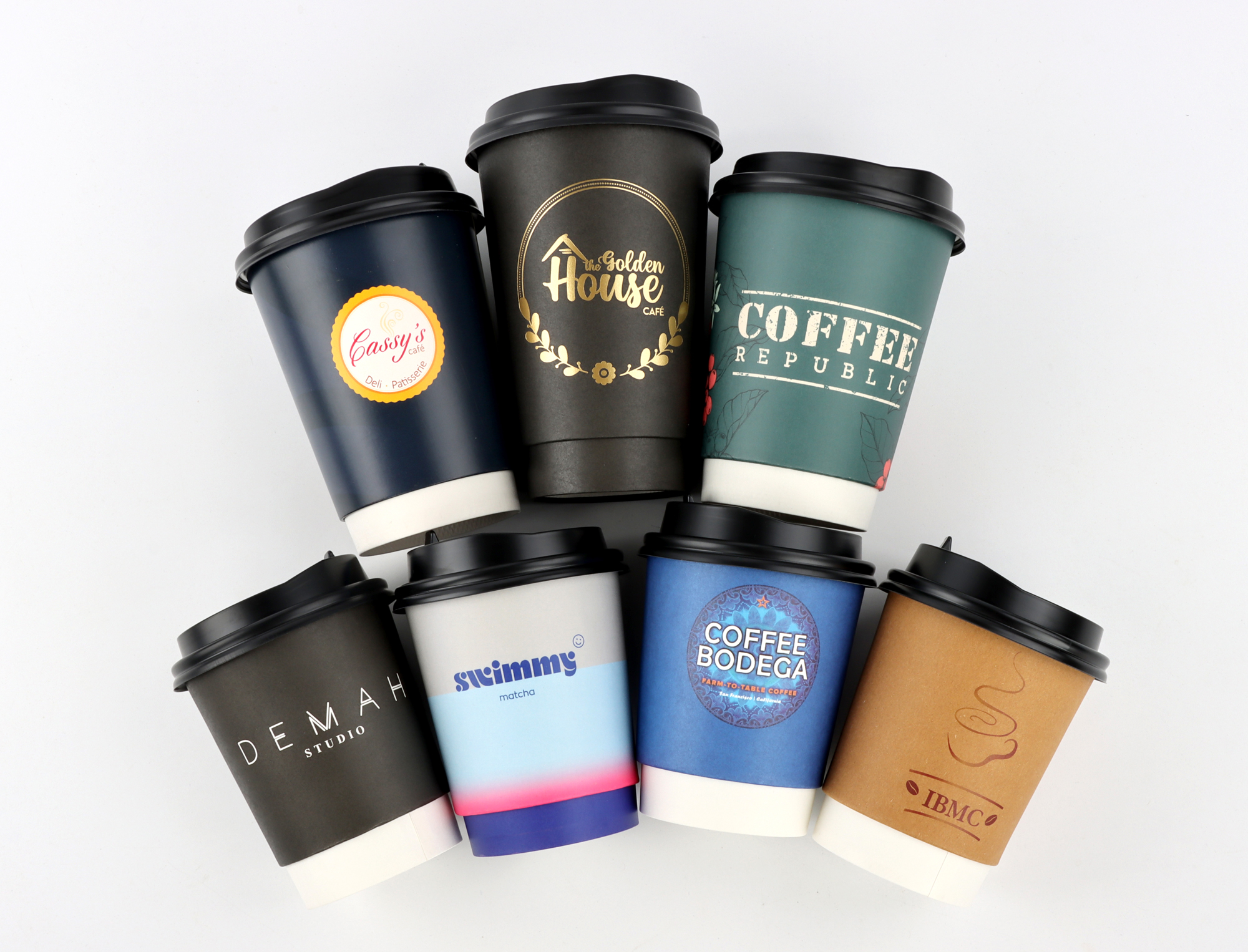
The same disposable cup category can be delivered in very different configurations depending on event needs.
The disposable paper cup is often the last item added to an event or catering checklist, yet it is one of the first things a guest touches. For event planners and caterers, paper cups are a practical decision that affects drink temperature, spillage, portioning, branding, waste management and overall guest experience.
This guide compares the main disposable paper cup options available in the market today. It focuses on product configurations that matter during an event: available sizes, print customization, coating choices, wall structure and the ability to handle hot or cold drinks over a longer service window. The comparison is grounded in the verified product category of the disposable paper cup and is designed as a practical side-by-side evaluation matrix rather than a manufacturer ranking.
The Real Problem: A Small Item with High Operational Impact
For a caterer, a cup only fails once. A cup that becomes too hot to hold, a lid that does not fit securely, a branded cup that prints poorly or a compostable cup that cannot be disposed of in the intended waste stream can create problems that are highly visible to guests.
Event teams frequently face the same operational questions.
- Should we buy smaller cups for coffee tasting and larger cups for iced drinks, or use one default size?
- Do we need single wall cups or double wall cups for hot beverages?
- Can we place our event logo on the cup without delaying the order?
- Should the cup be PE coated or PLA coated when sustainability messaging matters?
- How do we confirm that the cup is food-safe in the destination country?
None of these questions can be answered by looking at a photo of a cup. The buyer needs to compare specifications: capacity range, material weight, liner type, printing method, temperature rating and compliance certificates. The goal of this guide is to translate those specifications into decisions for planners and catering teams.
Industry Background: Why Disposable Cups Continue to Matter
Paper cups remain a substantial global packaging category. Fortune Business Insights estimated the global paper cup market at USD 11.35 billion in 2025 and projected it to grow to USD 13.98 billion by 2034. Hot paper cups represented approximately 62.4% of the global market in 2025, according to IMARC Group, driven by quick-service restaurant expansion and to-go coffee culture.
For event professionals, these market signals explain why suppliers continue to build new cup capacity rather than shifting away from disposables altogether. The same market data also points to a shift in material preferences: compostable paper cups using plant-based linings such as PLA are growing faster than traditional PE-lined cups, according to Mordor Intelligence, as institutions and event hosts push for more sustainable single-use packaging.
China is a relevant sourcing region for this category: OEC reported that China's export value for paper goods, including trays and cups, reached approximately USD 1.98 billion in 2024, with the United States as the top destination. This context matters because many event suppliers and distributors buy their disposable cup lines through cross-border wholesale channels.
Understanding the Disposable Paper Cup Category Before You Compare
A disposable paper cup is a single-use cup made from food-grade paperboard that is formed into a cup body and coated to hold liquid without leaking. Although the concept sounds simple, a professional product line in this category contains several variables that planners should evaluate side by side.
The following specification profile is based on the verified disposable paper cup category data used in this guide.
- Capacity options: 4oz, 8oz, 12oz, 16oz and 20oz versions are available, with top diameter, bottom diameter and height customizable.
- Material weight: the paperboard can range from 190gsm to 350gsm food-grade virgin paper.
- Coating: the cups can be PLA coated or PE coated, with compostable and leak-proof characteristics depending on the coating route.
- Temperature resistance: the product category is rated for approximately -20°C to 100°C, making the range suitable for cold drinks and hot drinks.
- Printing: flexo printing and offset printing are available, including custom logo printing.
- Compliance: cups in this category are produced to be FDA, BRC and FSC compliant.
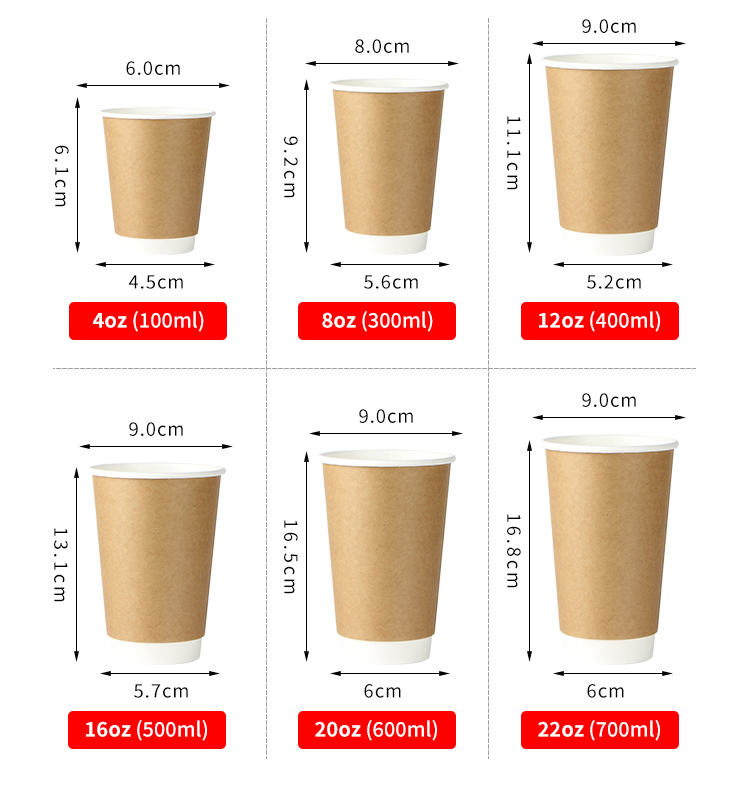
Wall structure is one of the first configuration decisions a catering buyer makes.
These specification points form the factual foundation of the comparison below. Event buyers do not need to become packaging engineers, but they do need to know which variable controls each outcome.
Available Sizes and What They Mean for an Event Menu
The verified capacity range for the disposable paper cup line is 4oz, 8oz, 12oz, 16oz and 20oz. This range matters because events rarely serve only one drink format.
In practical catering terms, smaller formats are commonly used for espresso-style service, tasting portions, dessert cups and children's servings. Mid-size formats around 12oz are a frequent default for standard hot beverages such as coffee and tea. Larger sizes, including 16oz and 20oz, are practical when serving iced drinks, cold brews or drinks that need extra space for ice. Because dimensions are customizable, a manufacturer can adjust the cup profile to fit a specific lid, sleeve or drink recipe.
Coating: PE vs PLA
The coating of a paper cup determines how the cup interacts with liquid, temperature and the waste stream. In the verified category data, the disposable paper cup is available with PLA coating or PE coating. Both options are positioned as leak-proof and temperature-resistant within the specified range of -20°C to 100°C.
PE coating is a traditional moisture-barrier approach. PLA coating is based on plant-derived materials and is the option increasingly associated with compostable single-use packaging. From an event perspective, the choice often depends on where the cups will be disposed of and whether the location has separate organic waste collection. In the European Union, for example, the Single-Use Plastics Directive (2019/904) already requires labelling for paper cups that contain plastic materials such as PE or PLA and sets separate collection targets. Planners organizing events in the EU should confirm how the cup will be labelled and collected after use.
Wall Structure: Single Wall vs Double Wall
Another configuration gap that confuses first-time buyers is wall structure. A single wall paper cup is the lighter-weight construction used for many drink service occasions. A double wall cup adds an external layer around the cup body, creating an insulating air gap that helps protect hands from the heat of the drink. Both configurations exist within the same product family, and both can be produced with custom printing.
For a caterer, the choice between single wall and double wall is usually based on drink temperature and holding time. Double wall hot cups are a natural option for coffee, tea and other hot beverages served during long events where guests may hold the cup for several minutes. Single wall cups are more commonly associated with cooler service and operations that prioritize lighter storage volume and a more economical per-cup cost structure.
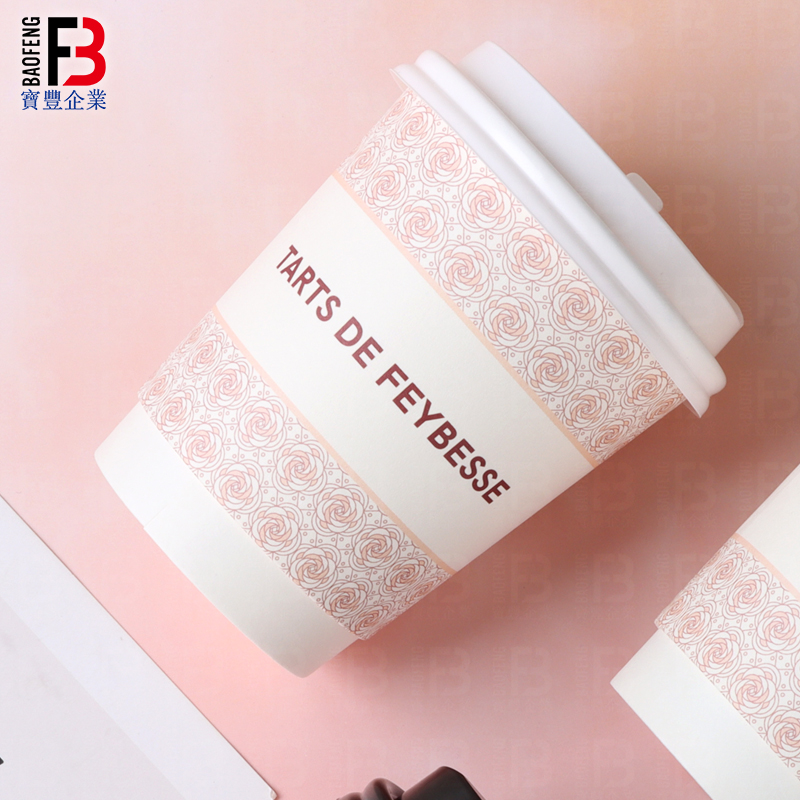
Single wall cups offer a flexible format for events with mixed beverage service.
Print Customization and Event Branding
Much of the commercial value of a paper cup is its visibility. A cup sitting in a guest's hand is a mobile billboard for the event brand, the caterer or the sponsor. The verified product category supports custom logos through flexo printing and offset printing. Flexo printing is frequently used for large-volume cup production, while offset printing is a well-established option when finer graphic detail is required. Both are legitimate routes for custom printed coffee cups, custom paper cups and printed ice cream cups.
Event planners should decide early whether the print requirement is a simple one-color logo or a full-color design. A logo-only order behaves differently from a full-bleed design in terms of artwork preparation, proofing and production scheduling. Customization should be confirmed before the order is placed, not after production starts.
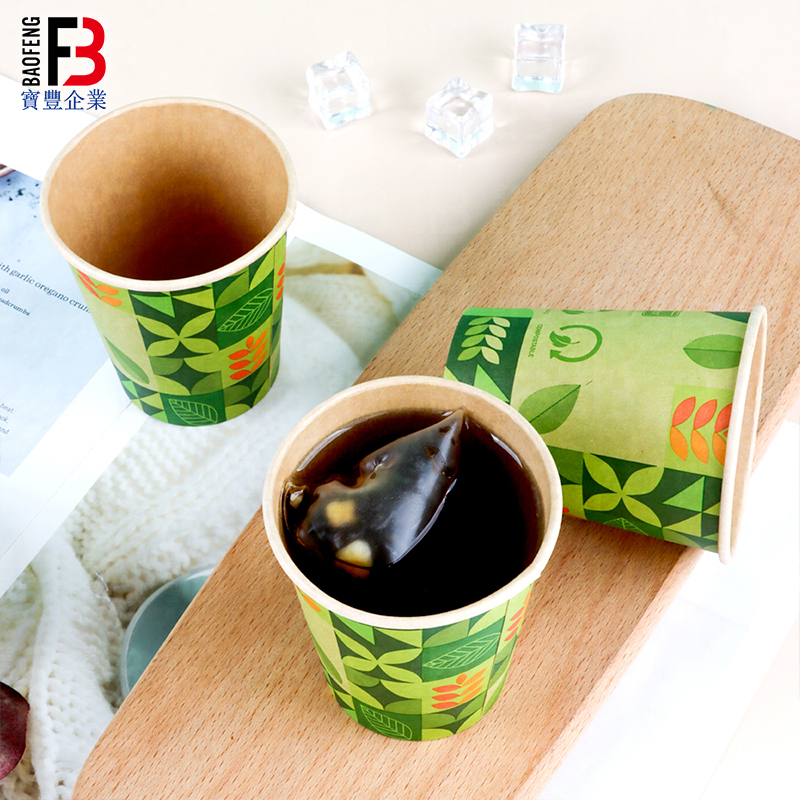
Custom printed cups allow event teams to carry one visual identity across the full drink service.
Structural Integrity During Extended Service
Events rarely empty a cup within the first minute. Planners should evaluate how a cup holds up during extended use: waiting in line, sitting on a table, being topped up or being carried across a venue. Structural performance is influenced by the cup's grammage, coating, wall construction and board quality.
The verified category data lists a paperboard range of 190gsm to 350gsm for the disposable paper cup. A higher grammage within this range generally correlates with a sturdier side wall and greater dimensional stability. For caterers running long buffets or high-volume bars, this becomes a practical buying criterion: heavier paperboard is usually the safer choice when cups will be held by guests for a long period or filled with heavier beverages.
It is equally important to verify the cup features rather than assume them. The verified product category states that the cups are leak-proof, temperature-resistant from approximately -20°C to 100°C, and suitable for cold and hot drinks. These features give the buying team a baseline that can be checked against the specific lid system, drink recipe and service conditions planned for the event.
Side-by-Side Evaluation Matrix for Event Planners and Caterers
The following matrix compares the decision factors that recur in almost every event cup purchase. It is not a list of brands; it is a comparison of what should be verified before selecting a cup configuration.
| Evaluation Factor | What the Verified Category Offers | Why It Matters at an Event |
|---|---|---|
| Capacity | 4oz, 8oz, 12oz, 16oz and 20oz, with custom dimensions available | Lets the planner match cup size to the beverage menu and reduce waste from oversized servings. |
| Material | 190gsm to 350gsm food-grade virgin paper | Higher grammage generally means more rigidity during long holding periods and heavier drinks. |
| Coating | PLA coating or PE coating, defined as compostable and/or leak-proof routes | Affects wet-strength performance and the cup's end-of-life disposal option. |
| Temperature range | -20°C to 100°C; suitable for cold and hot drinks | One cup line can serve both hot coffee stations and cold drink bars. |
| Printing | Flexo and offset printing with custom logo availability | Enables event branding, sponsor messaging and premium presentation. |
| Wall structure | Single wall and double wall versions in the product family | Double wall adds an insulation layer for hot beverage service; single wall suits lighter workflows. |
| Compliance | Produced to be FDA, BRC and FSC compliant | Supports food-contact safety, supply-chain audit and responsible fibre sourcing requirements. |
Planners can use this matrix as a checklist before requesting quotes. Every row translates directly into a question for the supplier: What capacities do you actually stock? What coating is used? Is the paper food-grade? Can the cup tolerate the temperature of our menu? Which printing method will be applied to our logo? Do your compliance documents cover FDA, BRC and FSC?
Step-by-Step Selection Process
For an event team that is comparing disposable cup options for the first time, the selection process can be broken into seven practical steps.
- Map the beverage menu by temperature. Write down every drink that will be served: hot coffee, tea, hot chocolate, iced tea, cold brew, soda, water or dessert cups. Mark each as hot, cold or temperature-sensitive.
- Define the required sizes. Use the menu map to choose from the 4oz, 8oz, 12oz, 16oz and 20oz capacity options. If the menu is unusual, confirm that custom dimensions are available.
- Choose the coating route. Decide between PE coating and PLA coating based on the venue's waste management and the messaging of the event. If compostability is required, confirm the coating type and the local composting conditions.
- Select the wall structure. For hot beverage-led events, compare single wall and double wall versions. For cold beverage-led events, confirm that the selected cup will not become flimsy during extended outdoor service.
- Prepare print artwork early. Decide whether the cup will carry a simple logo or a full custom design. Confirm that flexo or offset printing suits the artwork file, color count and order volume.
- Verify compliance documentation. Request the FDA, BRC and FSC compliance status of the proposed cup before committing to a bulk order. For EU events, check whether the cup requires labelling under the Single-Use Plastics Directive.
- Order samples before the full run. Event buyers should validate the cup with the actual lids, sleeves and drink temperatures planned for the event. A short sample test prevents a costly mismatch at the venue.
Use Cases: Matching the Configuration to the Event Moment
Corporate Conferences and Coffee Breaks
Corporate events are built around coffee breaks. A planner usually needs standard hot drink cups, a recognizable print area for the event or sponsor logo, and a solution that keeps drink service fast. In this scenario, the comparison should focus on a mid-size capacity, double wall construction for heat protection and custom printed branding. Because corporate events often include cold beverages as well, it is useful to select a cup line that is suitable across the hot and cold temperature range.
Weddings and Dessert Stations
Weddings create a different set of requirements. Dessert tables, ice cream stations and favor stations benefit from short, attractive cups that guests can hold easily. The product category explicitly includes ice cream paper cups and custom printed paper cups in the same verified family. For ice cream and dessert service, smaller capacities are often sufficient, and the print becomes a decorative element rather than just a functional logo. In food-service projects where the specification is compostable, the buyer may need to align with standards such as AS5810, which is a recognized compostability requirement in one of the verified application scenarios.
Outdoor Catering, Festivals and Takeaway Concessions
Outdoor events and festival concessions place more stress on a cup: guests walk while holding drinks, cups sit in warm sunlight, and service volumes are high. In these conditions, material weight and leak resistance deserve more attention. The verified product line covers capacities from 4oz to 20oz, so one event can carry a small size for water and a large size for iced drinks without working with two completely different cup systems. Food-safe construction, leak-proof coating and a custom logo are the three features that keep this scenario operating smoothly.
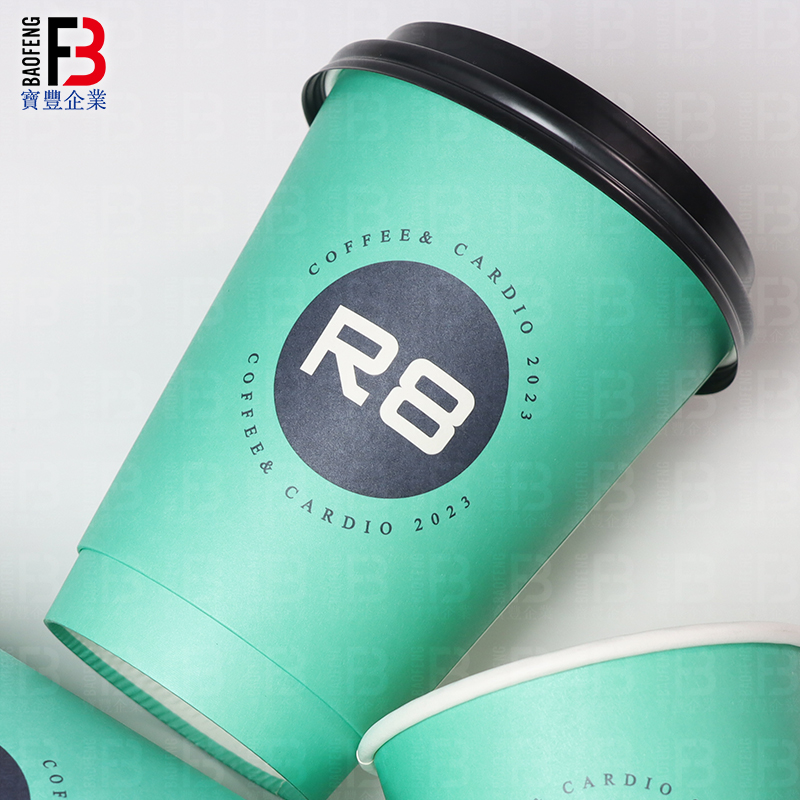
Sustainability-conscious events should confirm the coating type and the local disposal route before ordering.
Frequently Asked Questions
Are disposable paper cups food-safe for serving drinks at events?
Food safety depends on the cup specification and its compliance documentation, not on the word paper alone. In the verified disposable paper cup category used for this guide, the cups are made from 190gsm to 350gsm food-grade virgin paper with PLA or PE coating, and they are produced to be FDA, BRC and FSC compliant. Event buyers should always request the compliance documents for the exact cup they intend to order.
What sizes of disposable paper cups should event planners consider?
The verified product category includes 4oz, 8oz, 12oz, 16oz and 20oz capacities, with customizable body dimensions. Event planners typically need a small cup for tasting or dessert service, a standard cup for coffee or tea, and a larger cup for iced and cold beverages. Because the full category supports hot and cold drinks, one supplier line can often cover the whole event menu.
Can one disposable paper cup be used for both hot and cold drinks?
Yes. The verified disposable paper cup specification states a temperature resistance range of approximately -20°C to 100°C and explicitly notes that the cup is suitable for cold and hot drinks. The planner should still confirm the wall structure and coating because a hot beverage event may need the insulation benefit of a double wall cup, while cold service may prioritize capacity and leak-proof performance.
Can we print our event logo on disposable paper cups?
Custom logo printing is a standard capability in this category. The verified disposable paper cup data lists flexo printing and offset printing as the available methods for custom logo work. Event teams should prepare their logo in a print-ready format, confirm the number of colors, and review a proof before the full production run.
Are compostable paper cups available for events, and how do we dispose of them?
Compostable-oriented versions of disposable paper cups are available using PLA coating, and market research from Mordor Intelligence shows that plant-based PLA-lined cups are growing faster than traditional PE-lined options as sustainability requirements increase. Disposal depends on the venue: PLA cups generally require the correct industrial or commercial composting conditions, and in the EU the Single-Use Plastics Directive requires labelling for paper cups containing plastic materials. Planners should align the cup coating with the actual waste stream at the event venue. For a practical next step, download the open product brochure below to compare a full disposable paper cup specification before approaching suppliers.
Conclusion
For event planners and caterers, the disposable paper cup is more than a container; it is the final interface between the service team and the guest. This guide has compared the options that matter most: available size range, PE vs PLA coating, single wall vs double wall construction, custom print routes, temperature resistance and structural integrity during extended service.
The core takeaway is simple. Event cup selection should be made by comparing documented specifications, not by guessing from a product photo. A verified category profile gives the planning team clear criteria: capacities from 4oz to 20oz, food-grade virgin paper from 190gsm to 350gsm, PLA or PE coating, flexo or offset printing, hot and cold temperature suitability, and FDA, BRC and FSC compliance. These criteria are strong enough to support a bulk order and a branded event experience.
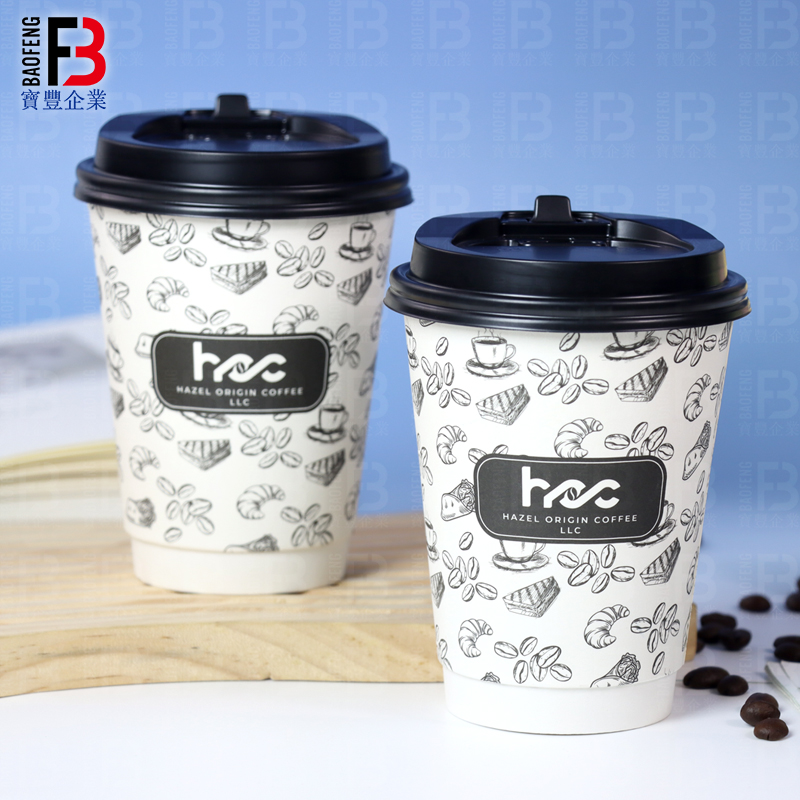
Build your event cup specification with a complete product guide.
Download the Disposable Paper Cup Product BrochureHave Questions or Need More Details?
Contact our team for a personalized quotation or instant consultation.
Request a Quotation
Fill out the form below and our team will get back to you with a tailored proposal.
WhatsApp Direct Chat
Prefer to chat in real-time? Message us on WhatsApp for instant assistance & quick answers.
- Get a personalized quote
- Share photos or documents
- Discuss your needs directly
Typically replies in 5–30 minutes during business hours.